Layered Heart Mandala: A Designer's Review for Embroidery
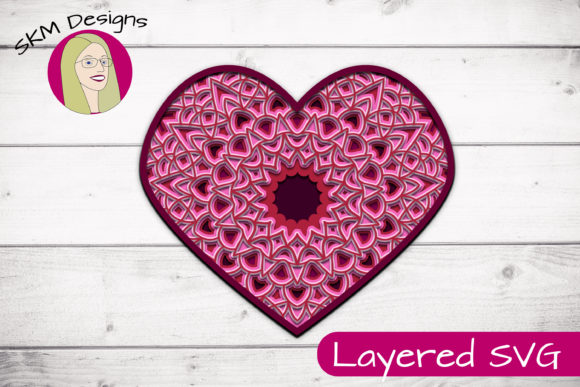
When I first pulled up the Layered Heart Mandala on my screen, my immediate reaction wasn't to think about cutting cardstock or layering paper for a shadow box. As an embroidery designer, my brain instantly translates vector lines into thread paths. While this asset is marketed primarily as a 3D SVG for die-cutting machines like Cricut or Glowforge, the structural integrity and aesthetic balance of the design scream potential for high-end machine embroidery. The challenge here is taking a design intended for dimensional paper crafting and adapting it for fabric without losing its delicate soul.
The Visual Personality and Mood
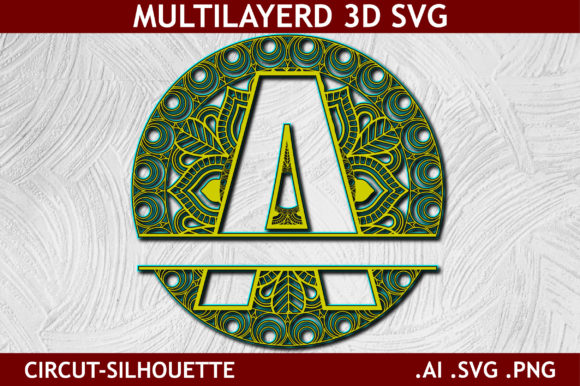
The mood of this piece is undeniably romantic yet structured. It avoids the cliché of a simple, solid heart by introducing the complexity of a mandala within the silhouette. This creates a visual tension that is perfect for modern boutique branding. The layout features concentric layers that radiate from the center, offering a natural rhythm for the eye. For an embroiderer, this suggests a fantastic opportunity to play with thread colors. You aren't stuck with a single shade; the separated layers invite ombré effects, metallic accents, or a stark monochrome look that relies on stitch density rather than color contrast to define the shape.
In terms of visual personality, it feels sophisticated. It's not a cartoonish Valentine's graphic; it has the weight of something you'd find in a high-end home decor catalog. This makes it an excellent candidate for products where perceived value matters, such as wedding gifts, anniversary keepsakes, or premium nursery decor.
Real-World Application: The Custom Tote Scenario
To truly test the viability of the Layered Heart Mandala, I imagined a specific client request: a custom embroidered tote bag for a local bridal shower. The client wanted something elegant but durable. Using this design as an applique design base rather than a full fill stitch could be the winning strategy here.
If I were to execute this on a canvas tote, I would treat the SVG layers as guides for fabric appliqué. By cutting heart-shaped fabrics in varying textures—perhaps a linen center surrounded by satin or velvet outer rings—I could mimic the "3D" effect promised in the original product description. Stitching over these layers with a precise satin stitch border would lock them down while adding a tactile richness that flat embroidery often lacks. The finished product would feel substantial and luxurious, justifying a higher price point for the handmade item.
Alternatively, for a sweatshirt embroidery project, digitizing this directly as a fill stitch requires caution. The intricate details of the mandala might get lost if the stitch density is too high on a fuzzy fleece background. In this case, simplifying the innermost details or using a lighter running stitch for the fine lines would maintain clarity. The result would be a cozy, personalized gift that doesn't feel stiff or heavy on the garment.
Navigating Technical Challenges
Translating a design meant for Shadow Boxes into thread comes with specific hurdles. The most critical factor is the hoop size. Mandala designs often rely on symmetry that can be distorted if the fabric shifts or if the hoop is too small to capture the outer edges comfortably. Before committing to a final run, it is essential to check the dimensions against your available hoops. If the design is large, you may need to split it or ensure your machine has a large enough field to stitch it in one go without re-hooping, which risks misalignment.
Fabric texture is another variable. On smooth cotton or poly-blends, the fine lines of the mandala will pop. However, on textured fabrics like waffle knit or heavy denim, those tiny details might sink in. I strongly advise testing the embroidery file on scrap fabric that matches your final material. Pay close attention to the center of the heart; this is usually the densest area. Without proper stabilizer, specifically a cut-away stabilizer for stretchy fabrics or a heavy tear-away for stable ones, the center could pucker, ruining the symmetrical beauty of the piece.
Curved surfaces present another challenge. While this design looks stunning on flat items like pillow covers or tea towels, applying it to a cap or a curved mug sleeve requires careful digitizing. The distortion on a curved surface can make the outer layers of the mandala look stretched. If you plan to use this for custom apparel like hats, consider scaling down the design or simplifying the outer rings to compensate for the curvature.
Enhancing Brand Value and Customer Trust
For Etsy sellers and small shop owners, the choice of design directly impacts brand perception. Using a generic, low-resolution heart clipart signals mass production. In contrast, utilizing a complex, well-balanced design like the Layered Heart Mandala signals attention to detail. When a customer receives a personalized gift featuring such intricate work, it builds trust. They see the effort in the stitch count and the thoughtfulness in the composition.
This design also works exceptionally well for creating cohesive printable mockups and digital product previews. Because the shape is distinct and recognizable even in silhouette, it makes for strong marketing imagery. Whether you are selling the finished product or offering a customization service, the visual appeal of this mandala can drive buyer engagement. It stops the scroll on social media feeds because it offers more visual interest than a standard icon.
Practical Notes for the Professional Maker
Before integrating this into your craft business workflow, there are a few housekeeping items to address. Since the source file is described as a 3D SVG for cutting machines, it is likely not a native digital embroidery file (like .PES, .DST, or .JEF) ready for your needle machine. You will likely need to digitize it yourself or purchase a pre-digitized version from a reputable source. If you are digitizing it manually, pay close attention to the underlay stitches; they are crucial for preventing the fabric from showing through the open spaces of the mandala.
Always verify the licensing terms. Just because a file is available for purchase does not automatically grant commercial rights for physical goods or digital resale. Ensure you have the clearance to use the design for commercial embroidery projects. Additionally, test your thread color combinations in black and white first. If the design holds up in grayscale, it means the contrast in stitch types and densities is sufficient, ensuring it will look good regardless of the thread palette chosen by the client.
Ultimately, the Layered Heart Mandala is a versatile asset that bridges the gap between paper crafting and textile art. With the right technical approach and a keen eye for material selection, it can elevate a simple embroidery project into a standout piece of wearable art or home decor. It rewards the maker who takes the time to understand its layers, offering a finished product that feels as thoughtful as it looks.