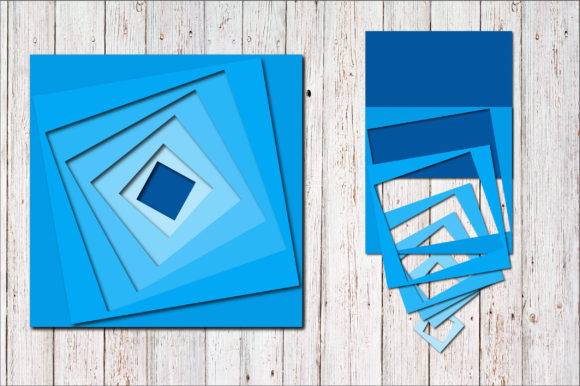
Optical Illusions Wall Art: 3D SVG for Shadow Boxes
As a digital publisher who has spent years refining the visual identity of multiple content websites, I approach every new graphic design asset with a critical eye. It is not enough for an image to be pretty; it must perform. It needs to stop the scroll on social media, establish immediate authority in a blog header, and maintain crisp quality across various devices. Recently, I reviewed a collection titled Optical Illusions Wall Art, specifically looking at its potential as a 3D SVG resource for creating physical Shadow Boxes and digital editorial graphics. My goal was to determine if this digital download could elevate my current content marketing strategy and provide tangible value for my readers.
First Impressions and Editorial Mood
Upon opening the files, the first thing that struck me was the precision of the vector lines. In the world of web design and editorial design, clean paths are non-negotiable. This set delivers exactly that. The mood created by Optical Illusions Wall Art is distinctly modern and intellectually stimulating. It feels less like a generic decorative element and more like a conversation starter. For a niche focused on psychology, creativity, modern home decor, or even educational content about perception, these designs are perfect. They strike a balance between being playful and artistic without sacrificing a professional edge. The lack of background in the source files means they integrate seamlessly into existing layouts, allowing the illusion to take center stage without clashing with your site's color palette.
Integrating Assets into Real Publishing Workflows
The true test of any design asset is its versatility in a real-world workflow. I immediately began brainstorming how to deploy these images across my publishing channels. For blog graphics, these illusions make exceptional featured images. When paired with a bold headline about "Changing Perspectives" or "The Art of Focus," the visual metaphor is instant and powerful.
Beyond the blog roll, these assets are gold for Pinterest pin creation. Pinterest is a visual search engine where unique imagery drives traffic. Using these 3D SVG patterns as the focal point of a vertical pin can significantly increase click-through rates because they break the pattern of standard stock photography. I also see immense potential for using them in newsletter headers. A subtle optical illusion can add a layer of sophistication to an email campaign, making the brand feel more curated and thoughtful.
For those creating digital products, such as eBooks or digital guides, these illustrations serve as excellent chapter dividers or cover art accents. If you are in the business of selling printable design files or Canva templates, including these as bonus elements adds perceived value to your packages. They work particularly well for lead magnet covers, where you need to grab attention quickly in a crowded inbox.
Impact on Content Performance and Brand Identity
In my experience, consistent use of high-quality visuals directly correlates with improved reader trust. When a visitor lands on a page and sees a cohesive, high-resolution website header featuring custom-style art like Optical Illusions Wall Art, they subconsciously categorize the content as premium. This strengthens your brand identity.
Furthermore, these assets support a stronger visual hierarchy. Because optical illusions naturally draw the eye, you can use them to guide the reader's gaze toward specific calls-to-action or key headlines. This is crucial for affiliate marketing pages where directing attention to a product link is the primary goal. By using these distinct shapes, you create a visual anchor that makes your content pages look more professional and less like a template dump.
Ideal Use Cases for Maximum Impact
To get the most out of this collection, I recommend focusing on areas where scale and detail can be appreciated. These designs shine as hero images on landing pages, where they can be displayed large enough for the user to appreciate the intricacy of the illusion. They are also fantastic for category thumbnails, helping users visually distinguish between different sections of a website, such as "Art," "Science," or "Design."
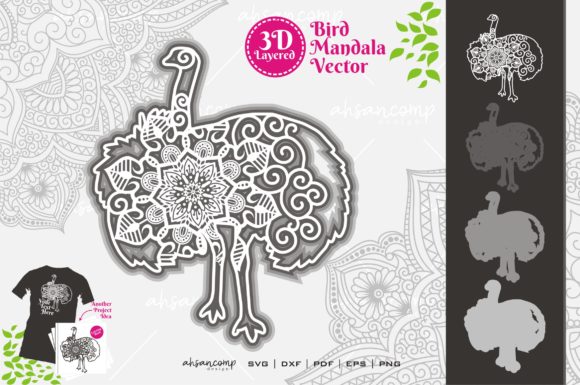
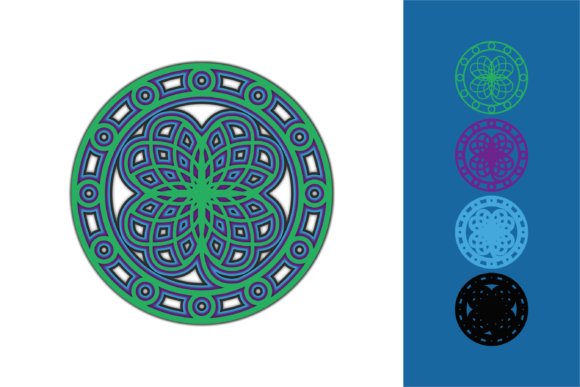
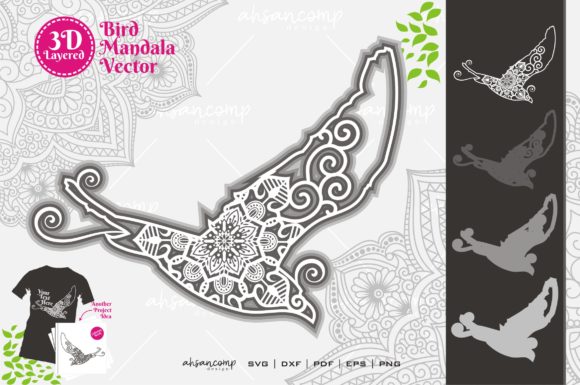
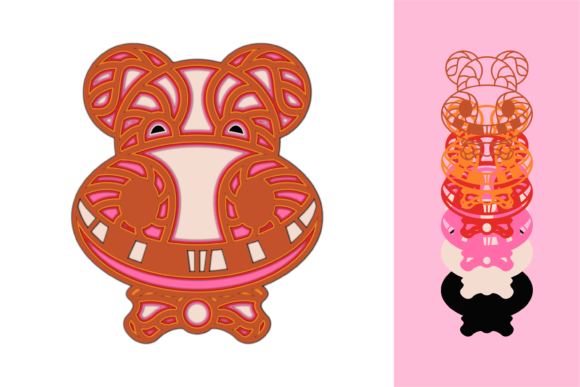
For physical creators, the 3D SVG format is specifically engineered for cutting machines, making it ideal for crafting Shadow Boxes. This opens up a revenue stream for small business owners who sell handmade decor. You can market these as finished pieces or as DIY kits, leveraging the commercial license often associated with such creative marketplace finds. In the digital realm, they work beautifully as social media graphics for Instagram carousels, where users can swipe through different variations of the illusion.
Where to Exercise Caution
While versatile, this asset is not a one-size-fits-all solution. I would advise against using these complex patterns in very small mobile thumbnails where the details of the illusion might blur or become indistinguishable. Similarly, if your layout is already text-heavy or busy, adding a strong optical illusion could create visual noise that distracts rather than engages.
Additionally, consider your niche carefully. If you run a highly corporate site or a serious news portal, the playful nature of an optical illusion might undermine the gravity of your message. These designs thrive in creative, lifestyle, and educational spaces but may feel out of place in conservative financial or legal contexts. Always ensure there is sufficient contrast between the graphic and the background to maintain readability.
Practical Notes for Publishers and Designers
Before integrating Optical Illusions Wall Art into your live environment, run a few technical checks. First, test the images on both desktop and mobile screens. What looks sharp on a monitor might lose definition on a smartphone. Second, preview the graphics inside your actual blog layout next to your standard typography. Try pairing them with serif fonts for a classic look, sans serif for modernity, or even script fonts for a creative twist to see what creates the best harmony.
Pay attention to file performance. While SVGs are generally lightweight, ensure you compress any PNG exports properly to avoid slowing down your page load times, which is a critical factor for SEO. Finally, and most importantly, review the licensing terms. Confirm that the commercial license covers your specific use case, especially if you are using these assets in monetized content, paid courses, or products for resale. Understanding the rights attached to your digital download protects your business and ensures peace of mind as you scale your small business branding efforts.
In conclusion, Optical Illusions Wall Art is a robust tool for the modern publisher. Whether you are layering them into a digital guide, cutting them for a Shadow Box, or using them to spice up a Pinterest pin, they offer a unique blend of artistic flair and functional design that can genuinely elevate your content strategy.