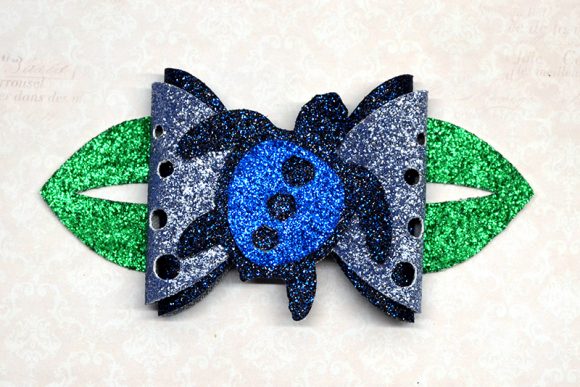
Turtle Bow Template: A Designer's Review for Real Projects
As someone who spends most of their day staring at stitch maps and evaluating design assets for commercial viability, I approach every new file with a mix of curiosity and skepticism. When I first pulled up the Turtle Bow Template, my initial reaction wasn't just about the cuteness factor; it was about utility. In the world of craft business and handmade goods, a design needs to do more than look good on a screen—it needs to translate perfectly into thread, vinyl, or fabric without causing headaches during production. This 3D SVG file sits in the Shapes category, but don't let that simple classification fool you. There is a surprising amount of versatility here for anyone looking to expand their product line beyond standard monograms.
First Impressions and Visual Personality
The moment you open the file, the mood is immediately playful yet structured. The silhouette of the turtle combined with the bow element creates a visual personality that feels perfect for spring collections, baby showers, or boutique branding aimed at younger demographics. What stands out to me as a designer is the clean geometry. Often, when working with machine embroidery design files that involve complex shapes, you run into issues with tiny, un-stitchable details or awkward negative space. The Turtle Bow Template avoids these pitfalls. The lines are smooth, suggesting that whether you are using this as an applique design or a full fill, the resulting finished product will have crisp edges.
The layout feels balanced. It's not so dense that it becomes a puckering nightmare on thin fabrics, nor is it so sparse that it lacks presence on a heavy sweatshirt embroidery project. For an Etsy seller or small shop owner, this balance is crucial. You need a design that looks professional on a high-end tote bag but also holds up when stitched onto a budget-friendly kitchen towel. The visual appeal here leans towards "handmade charm" rather than "industrial precision," which is exactly what customers are looking for when they buy personalized gifts.
Real-World Application: The Boutique Baby Gift Scenario
To truly test the value of this file, I imagined a specific real-life scenario: preparing a custom order for a client who runs a local boutique specializing in nursery decor and baby apparel. She needed a cohesive look for a "Welcome Home" gift set, including a onesie, a burp cloth, and a small plush toy. The Turtle Bow Template fit this brief perfectly.
For the onesie, I envisioned using the template as a guide for a layered applique design. By cutting the turtle shape from a soft pastel felt and the bow from a contrasting glitter vinyl, the 3D SVG nature of the file allows for easy separation of elements. This adds texture and depth, making the baby embroidery pop without requiring thousands of stitches that could irritate sensitive skin. For the burp cloth, a simple satin stitch outline using the template would provide durability through countless wash cycles. The design's simplicity ensures that even on a curved surface like a cap or the rounded shoulder of a garment, the integrity of the shape remains intact.
This kind of versatility is gold for commercial embroidery projects. It allows a maker to create a entire collection from a single asset. Whether it's a tote bag design for a beach-themed shop or a patch for a summer camp, the Turtle Bow Template adapts well. Customers are likely to react positively to the whimsical nature of the turtle, associating the brand with fun and creativity. This boosts buyer engagement and can lead to repeat purchases if the quality of the stitch-out matches the promise of the design.
Technical Considerations and Fabric Compatibility
While the design is strong, there are areas where a prudent designer must exercise caution. If you are planning to use this on stretchy fabrics like jersey knits or performance wear, the stitch density becomes a critical factor. Although the file is provided as a vector for cutting, if you are converting this into an embroidery file with fill stitch or satin stitch, you must ensure the density isn't too high. High density on stretchy material leads to distortion, turning your cute turtle into a warped mess.
Similarly, when working with dark fabrics, you need to pay close attention to your thread colors. A light-colored turtle on a navy blue sweatshirt requires a solid underlay to prevent the background fabric from peeking through and dulling the vibrancy. Conversely, on textured fabrics like terry cloth towels, fine details might get lost. The Turtle Bow Template has some defined corners and curves; on a looped towel, these might need to be simplified or stitched with a slightly wider running stitch to maintain clarity.
Small hoop sizes present another challenge. If you are scaling this down for a pocket logo on a polo shirt or a small tag, verify that the bow details don't become indistinguishable blobs of thread. Always test the design on scrap fabric first. This is non-negotiable. Check how the stabilizer interacts with the material. For a sturdy embroidered patch, you might need a heavy cut-away stabilizer, whereas a delicate holiday embroidery project on an organza ribbon might only require a lightweight tear-away.
Enhancing Brand Value and Professionalism
Using a well-structured template like this directly impacts your brand consistency. When customers see a clean, well-executed design across different products—say, a matching set of aprons and oven mitts—it builds trust. It signals that you care about the details. The Turtle Bow Template offers a level of professionalism that generic clip art often lacks. It feels intentional.
For those creating printable mockups or digital product previews, the clean lines of the 3D SVG make it easy to visualize the final result. You can easily swap out textures in your design software to show clients how the bow would look in faux leather versus laminated fabric. This ability to preview variations helps close sales faster. Furthermore, because the design is versatile, it increases the "giftability" of your items. A personalized item featuring this design feels unique and thoughtful, rather than mass-produced.
Practical Notes for the Working Designer
Before committing this design to a paid client project or adding it to your inventory of design assets, keep these practical steps in mind:
- Test on Scraps: Always stitch a sample on the exact fabric type you intend to use for the final product.
- Check Contrast: Ensure your thread choices provide enough contrast against the fabric background for the shape to be readable.
- Review Density: If digitizing for embroidery, adjust the pull compensation and density based on the fabric weight.
- Confirm Hoop Size: Make sure the design fits comfortably within your machine's hoop, leaving room for framing.
- Inspect Details: Zoom in on the bow and turtle shell details to ensure they won't cause thread breaks or bird nests.
- Mockup Testing: Create black and white mockups to check the silhouette's strength without relying on color.
- Licensing Check: Since this is a template for cutting machines or scissors, confirm the licensing terms if you plan to sell the physical finished items or the digital files themselves. Do not assume commercial rights are included unless explicitly stated.
In conclusion, the Turtle Bow Template is a robust tool for the modern maker. It bridges the gap between digital design and tactile creation effectively. Whether you are an apparel decorator looking for a new motif or a hobbyist making gifts for friends, this file offers a solid foundation. Just remember that the quality of the final output depends heavily on your material choices and technical execution. Treat it with the respect a good design deserves, and it will serve your small shop product line well.