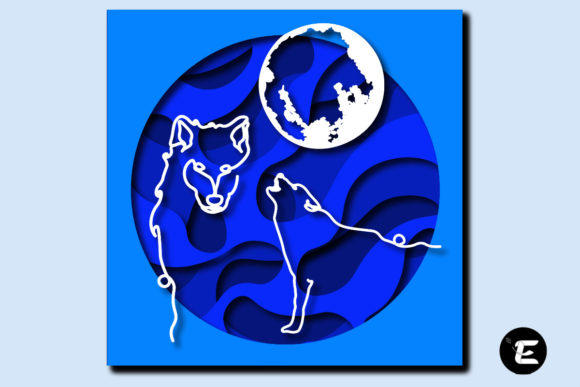
Wolf 3D SVG for Shadow Boxes: A Brand Review
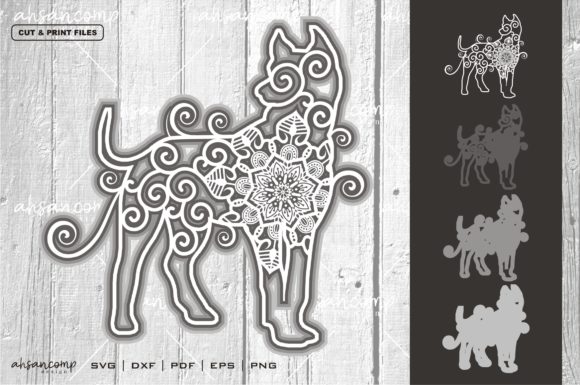
As a brand designer and content marketer, my first interaction with a new graphic design asset is always critical. I need to know immediately if it can carry the weight of a campaign or if it will get lost in the noise. When I opened the files for Wolf, the initial impression was one of rugged elegance. This isn't just a generic animal icon; it is a piece of creative design that exudes strength, independence, and a touch of wild sophistication. For brands looking to project authority without being aggressive, this illustration hits the right emotional tone. It feels suitable for lifestyle content, outdoor gear branding, and even premium handmade products where the story of craftsmanship is central.
Integrating Wolf into a Real Product Launch Campaign
To test the versatility of this asset, I imagined a scenario where a small business is launching a new line of artisanal leather goods. The goal is to create a cohesive visual identity that appeals to an audience valuing durability and nature. In this context, Wolf serves as the anchor for the brand identity. Because the product category includes Shadow Boxes and the file type is a 3D SVG, the potential for depth in marketing materials is significant. Unlike flat clipart, the layered nature of a 3D SVG allows for dynamic lighting effects in digital ads or physical dimension in packaging.
The mood created by Wolf influences audience perception by suggesting resilience. When used in social media graphics, such as Instagram posts or Pinterest pins, it stops the scroll. It provides a focal point that draws the eye before the user even reads the caption. For a seasonal offer or a content kit refresh, this level of visual interest is invaluable. It transforms standard promotional banners into editorial-style graphics that feel curated rather than generated.
Practical Applications Across Marketing Channels
The utility of Wolf extends far beyond simple decoration. In my review, I identified several high-impact use cases for content creators and digital sellers:
- Packaging Design: The crisp lines of the SVG format make it ideal for product labels and box inserts. When printed, the details remain sharp, enhancing the unboxing experience.
- Digital Ads: For Facebook ads or Google display networks, the asset provides a strong visual hierarchy. It separates the brand message from the background, improving click-through rates.
- Editorial Design: Blog headers and email banners benefit from the illustrative quality of Wolf. It adds a human, artistic touch to otherwise corporate communications.
- Merchandise: Whether for stickers, t-shirts, or tote bags, the design scales beautifully. It works as a standalone logo mark or as part of a larger pattern.
- Canva Templates: For coaches and consultants selling templates, including Wolf adds perceived value to the design bundle, appealing to buyers looking for unique, non-stock aesthetics.
The inclusion of multiple file formats—.SVG, .PDF, .PNG, and .EPS—means that whether you are working on a web design project or preparing files for a professional printer, you are covered. This flexibility is crucial for maintaining professional branding across different mediums.
Strategic Benefits for Audience Trust and Engagement
Why choose Wolf over other options? The primary benefit lies in audience trust. High-quality illustrations signal that a brand cares about its presentation. When a potential customer sees a polished, well-composed graphic, they subconsciously associate that quality with the product itself. Wolf supports marketing goals by creating a memorable campaign visual. It fosters an emotional connection, particularly for audiences who resonate with themes of nature, freedom, or leadership.
Furthermore, using a distinct illustration helps in building stronger recognition. In a sea of generic stock photos, a unique vector asset stands out. It ensures that your marketing visuals are consistent. Whether it appears on a lead magnet, a media kit, or a event flyer, the character of the wolf remains constant, reinforcing the brand narrative.
Ideal Placement and Strategic Limitations
While Wolf is a powerful tool, strategic placement is key. It works best as a hero graphic in campaign headers or as a decorative element in content bundles. It shines in product launch visuals where the focus is on the brand story. However, there are scenarios where caution is advised. In formal corporate branding that requires extreme minimalism, the detailed nature of the wolf might be too expressive. Similarly, in dense information layouts or text-heavy ads, the asset could compete with the main message, causing visual clutter.
For small mobile graphics, one must ensure the intricate details of the 3D SVG do not disappear when scaled down. It is also important to check contrast; placing a dark wolf illustration on a low-contrast background can reduce readability and impact. For overly minimal brands, this asset might need to be simplified or used sparingly as an accent rather than a centerpiece.
Designer Notes for Implementation
Before integrating Wolf into a client project or a paid campaign, I recommend a few practical steps. First, test the asset with your specific brand color palette. While the original design is striking, recoloring it to match your brand guidelines can create a more cohesive look. Check how it performs in black and white to ensure it holds up in monochrome print situations.
Always place the asset inside real campaign mockups before finalizing. Preview it on mobile screens to verify that the visual hierarchy remains intact. Compare it against competitor visuals to ensure you aren't accidentally mimicking another brand's style. Typography pairing is also essential; Wolf pairs exceptionally well with bold sans-serif fonts for a modern look, but it also complements serif fonts for a more traditional, editorial vibe. Avoid pairing it with overly whimsical script fonts unless the brand voice is specifically playful.
Finally, review the spacing and balance within your layout. Ensure the wolf has enough breathing room to command attention. And most importantly, confirm the commercial license terms. Since this is a digital product intended for commercial design, understanding the scope of usage for client work or resale items is vital for legal safety.
In conclusion, Wolf is a robust graphic design asset that offers significant value for small business branding and creative entrepreneurs. Its ability to adapt from a printable design for craft cards to a dynamic element in digital ads makes it a versatile addition to any creative toolkit. By leveraging its strengths in modern design and understanding its limitations, marketers can create campaigns that are not only visually stunning but also strategically effective.