Dog Multilayer: A Practical Review for Embroidery Pros
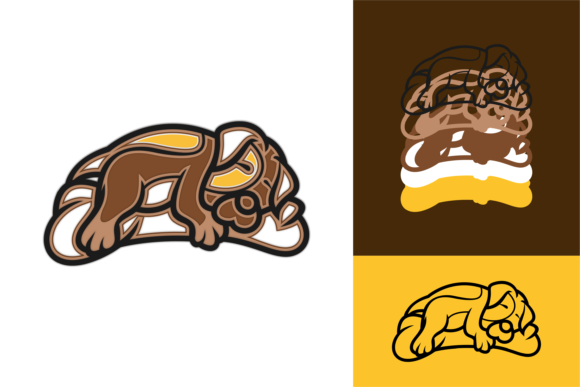
When I first opened the Dog Multilayer file on my workstation, I wasn't just looking at a cute graphic; I was mentally simulating how those vectors would translate into thread. As designers and small business owners, we know that a sharp screen image doesn't always guarantee a clean stitch-out. This design, categorized under Shapes and offered as a 3D SVG, immediately struck me as a versatile asset for anyone running a craft business or looking to elevate their personalized gift offerings. The concept is simple yet effective: a dog paired with a bone. It's a classic motif, but the execution in this multilayer format suggests a depth that flat designs often lack.
First Impressions and Visual Personality
The initial mood of Dog Multilayer is playful but structured. Unlike some whimsical sketches that rely on messy, organic lines which can be a nightmare to digitize, this design feels intentional. The layers imply a separation of elements that allows for creative control over thread colors and stitch types. When you visualize this as a machine embroidery design, you can see where a satin stitch might define the outline of the dog, while a fill stitch could add texture to the body or the bone. The visual personality is friendly enough for baby items but stylized enough to work on adult apparel without feeling juvenile.
For an Etsy seller or boutique owner, the "3D" aspect of the SVG is particularly intriguing. While the file itself is digital, the layering invites you to create physical dimension in your finished product. You aren't just stitching a flat shape; you are building an image that can pop off the fabric, especially if you utilize techniques like trapunto or layered appliqué. This adds perceived value to your handmade product, allowing you to justify a higher price point for custom orders.
Real-World Application: The Custom Tote Scenario
To truly evaluate Dog Multilayer, I imagined a specific real-life scenario: a custom order for a local pet boutique needing a run of branded tote bag designs. The client wanted something durable, washable, and instantly recognizable. Here is where the practical judgment comes in. Because this is a cut file design available in EPS, SVG, and PDF, it offers flexibility. If you are using an embroidery machine, you would need to ensure the design is properly digitized for your specific hoop size. However, if you are creating heat transfer vinyl (HTV) applications or laser-cut leather patches to attach to the bags, these vector formats are gold.
In this scenario, the clean lines of the dog and bone concept would hold up well against the textured canvas of a tote bag. The separation of layers means you could use a contrasting thread color for the bone, making it a focal point. For a small shop product like this, consistency is key. The geometric stability of the Shapes category ensures that whether you are stitching ten bags or a hundred, the registration should remain tight, provided your stabilizer game is strong.
Expanding into Apparel and Home Decor
Beyond tote bags, Dog Multilayer has significant potential in custom apparel. Imagine this design centered on a heavyweight sweatshirt. The sweatshirt embroidery market is huge, and customers love pet-themed gear. The design's structure supports the density required for fleece or French terry fabrics. It would also translate beautifully to an embroidered patch. By saturating the fill areas and using a thick merrow edge, you could create a high-quality patch that customers can iron onto jackets or hats.
For home decor, think about pillow covers or kitchen towels. A holiday embroidery collection featuring pets could easily incorporate this design. Perhaps during the holidays, you swap the standard thread colors for festive reds and greens, or add a Santa hat element in post-production. The versatility of the base design allows for seasonal pivots without needing an entirely new file. For baby embroidery, the soft curves of the dog make it suitable for onesies or bibs, though you must be mindful of stitch density to keep the item soft against sensitive skin.
Critical Considerations for Execution
While Dog Multilayer is promising, a professional reviewer must highlight where caution is needed. Not every fabric plays nice with complex layers. If you are working on stretchy fabric like jersey knit, the multiple layers of stitching could cause puckering if the stabilizer isn't robust enough. Always test on scrap fabric first. Similarly, on dark fabric, you need to carefully select your thread colors to ensure the dog doesn't get lost. High-contrast combinations work best here.
Curved surfaces present another challenge. If you plan to put this on a cap or hat, the center of the design needs to be compact. The bone element, depending on its length in the specific variation you choose, might extend too far for a standard cap frame. In such cases, you might need to scale the design down, which brings us to the issue of tiny lettering or minute details. If the design includes any micro-details within the layers, shrinking it too much could result in a muddy stitch-out where individual runs blend together. Always check the minimum viable size before committing to a production run.
Enhancing Brand Value and Customer Trust
Using a well-structured design like Dog Multilayer directly impacts your brand consistency. When customers receive a personalized gift that looks crisp and professional, their trust in your craft business grows. Sloppy stitching or poorly scaled graphics can undermine even the best marketing. This design, with its clear digital embroidery file structure, supports a professional finish. It helps in creating printable mockups that accurately represent the final item, reducing the gap between customer expectation and reality.
Furthermore, for those selling design assets or commercial embroidery services, the availability of EPS, SVG, and PDF formats is a major plus. It means you aren't locked into a single workflow. You can use the SVG for your cutting machine to create stencils, the PDF for client approvals, and the EPS for scaling in illustration software before sending it to your digitizer. This flexibility streamlines the workflow for creative entrepreneurs who wear many hats.
Final Verdict and Designer Notes
In conclusion, Dog Multilayer is a solid contender for your design library. It bridges the gap between a simple icon and a detailed illustration, offering enough complexity to look premium but enough simplicity to stitch reliably. Before you launch your next embroidery project with this file, here are a few essential steps:
- Test Stitch Density: Run a test on similar weight fabric to ensure the layers don't create excessive bulk.
- Check Licensing: Since this is a cut file design intended for various uses, confirm the license terms regarding commercial embroidery and resale of finished items.
- Contrast Check: View the design in black and white to ensure the layers distinguish themselves clearly without relying solely on color.
- Hoop Confirmation: Verify that the full extent of the multilayer design fits within your available hoop size, especially for smaller machines.
- Fabric Texture: Consider how the fabric texture interacts with the fill stitches; loopier towels may require a different underlay than smooth shirting.
Ultimately, Dog Multilayer offers a reliable foundation for creating memorable finished products. Whether you are decorating a tea towel for a holiday gift or branding merchandise for a pet store, this design holds up under scrutiny. It respects the intelligence of the maker, providing a canvas for creativity while maintaining the structural integrity needed for professional results.