Love Multilayer: A Designer's Take on Nature-Inspired Embroidery
As someone who spends more time staring at stitch simulations than I do sleeping, I approach every new digital embroidery file with a mix of excitement and skepticism. We've all been burned by beautiful previews that turn into thread nests on the machine. So, when I first opened the Love Multilayer design, my immediate reaction wasn't just about whether it was cute; it was about whether it would hold up under the needle. This isn't just a graphic; it's a blueprint for a physical handmade product, and that distinction matters deeply to anyone running a craft business or selling on Etsy.
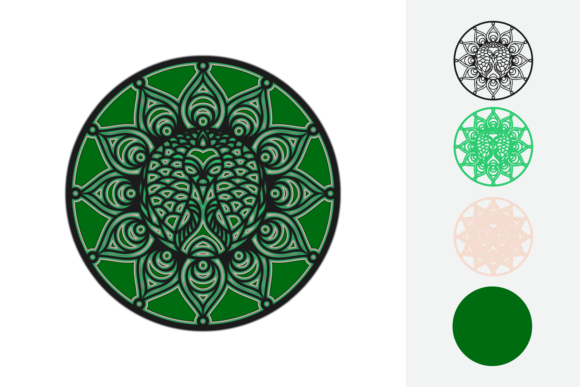
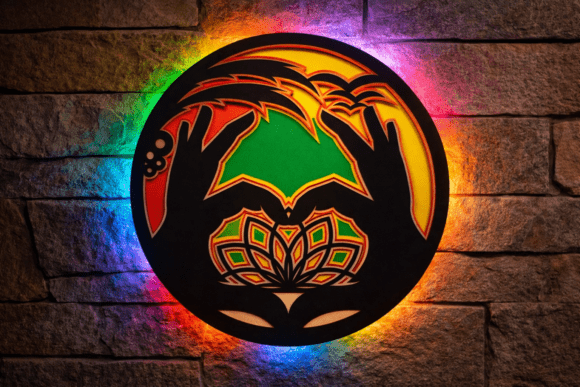
The concept here is "Love with nature," which can often feel overdone in the world of Shapes and clipart. However, Love Multilayer manages to sidestep the cliché trap. The layout feels organic rather than rigid. When you look at the composition, there is a clear hierarchy. The layering suggests depth without demanding an impossible number of color changes or tricky jumps that frustrate machine operators. For a designer, this balance is crucial. You want visual interest, but you also need a design that respects the limitations of thread and fabric.
Visualizing the Finished Product in Real Scenarios
Let's move away from the screen and imagine this design in the wild. I recently had a client request a custom tote bag for a spring market launch, something that felt earthy but modern. Love Multilayer immediately came to mind. Because it is categorized as a 3D SVG, the vector paths are clean, allowing for precise scaling. I could easily visualize this stitched onto a heavy canvas tote using a combination of satin stitch for the outlines and a lighter fill stitch for the interior nature elements.
The mood it creates is gentle and inviting. It's not shouting for attention, which makes it perfect for boutique branding where subtlety sells. If I were stitching this on a sweatshirt, I'd lean into the cozy aspect of the nature theme, perhaps using moss greens and soft terracottas. For a baby item, like a onesie or a nursery blanket, the soft curves of the design work beautifully. There are no jagged edges or aggressive lines that might feel out of place in a nursery setting. The embroidery project potential here leans heavily toward gifts that carry emotional weight—wedding favors, holiday ornaments, or personalized aprons for a kitchen enthusiast.
However, the real test for any Etsy seller is how the design translates to customer perception. Does it look expensive? Does it look professional? With Love Multilayer, the answer leans toward yes, provided the execution is sharp. The layering gives the illusion of complexity, which increases the perceived value of the finished product. A customer is more likely to pay a premium for a pillow cover that looks like it has depth and texture compared to a flat, single-layer motif.
Navigating Fabric Textures and Stitch Density
Now, let's get into the nitty-gritty technicalities that separate hobbyists from pros. While the vector files (EPS, SVG, and PDF) are excellent for resizing and digital mockups, we have to remember that thread behaves differently than pixels. When working with Love Multilayer, you need to be mindful of your stitch density. Nature concepts often involve leaves, petals, or vines, which can become dense quickly if not managed well.
If you are planning to use this on stretchy fabrics like jersey knits for custom apparel, you must use a high-quality cut-away stabilizer. The layered nature of the design means there is significant thread buildup. On a thin fabric, this could cause puckering or distortion, ruining the clean lines of the shape. I would strongly advise testing this on a scrap piece of your intended fabric first. Check how the thread colors interact. Sometimes, two similar shades of green can blend together too much once stitched, losing the definition that makes the "multilayer" aspect work.
There are also specific scenarios where caution is required. If you are aiming for a small hoop size, say for a cap or a pocket detail, you need to inspect the tiny details. Does the nature element have fine tips that might get lost? In machine embroidery design, anything smaller than a few millimeters can turn into a blob of thread. For curved surfaces like hats, ensure the center of the design aligns perfectly with the curve to avoid registration issues. Also, consider the washability. If this is going on a kitchen towel or a child's item that sees frequent laundering, ensure the satin columns are wide enough to withstand friction without fraying.
Strategic Use for Commercial and Personal Projects
For those of us selling design assets or finished goods, versatility is key. Love Multilayer shines in contexts where storytelling matters. Think of a holiday gift set where each item features a different element of the nature theme, tied together by the central "Love" motif. It works exceptionally well for embroidered patch creation, where the dense stitching adds durability and a tactile feel that customers love.
When creating printable mockups for your online shop, the clean lines of the SVG format allow you to place the design on various backgrounds effortlessly. You can show potential buyers how it looks on dark denim versus light linen. This visual proof builds customer trust. However, always verify the licensing terms before selling. Just because you have the file doesn't automatically mean you have unlimited commercial rights. Check the specific agreement regarding the EPS, SVG, and PDF files to ensure you are compliant when listing items as small shop product inventory.
One practical tip for maximizing the impact of this design is to play with contrast. Don't be afraid to try a monochromatic look where the layers are defined by texture rather than color. Alternatively, go bold with high-contrast thread colors to make the nature elements pop against a dark garment. This flexibility allows you to cater to different market segments within your craft business.
In conclusion, Love Multilayer is a solid contender for your library. It bridges the gap between a trendy aesthetic and practical application. It requires a thoughtful approach to materials and stabilization, but the payoff is a personalized gift or retail item that feels curated and high-quality. Whether you are decorating a tote bag design for a local market or creating a line of baby embroidery products, this design offers the structural integrity and visual charm needed to succeed. Just remember: respect the fabric, test your tension, and let the natural flow of the design guide your stitching strategy.