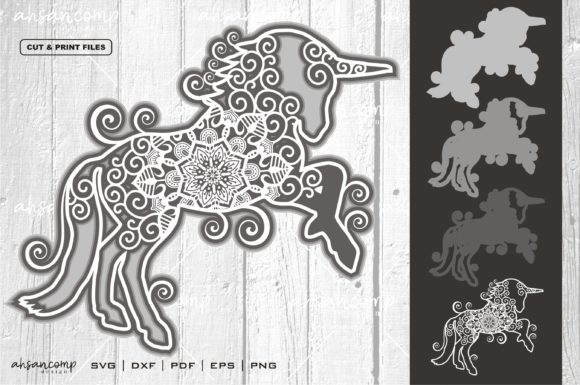
Unicorn Vector 3D Layered: A Designer's Field Test
When I first opened the folder for Unicorn Vector 3D Layered, my immediate reaction wasn't just about the cuteness of the subject matter; it was about the structural integrity of the layers. As someone who spends hours hooping fabric and trimming jump stitches, I look at digital assets differently than a casual browser. I am looking for potential headaches before they become wasted thread and ruined garments. This design, categorized under Shadow Boxes and delivered as a 3D SVG, promises depth, but does it deliver practicality for real-world embroidery projects?
The First Impression: Mood and Layout
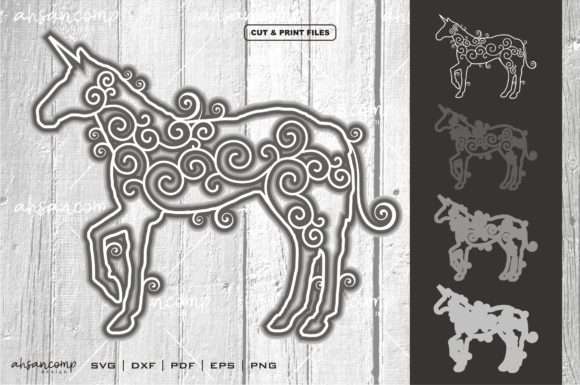
The visual personality of this file is whimsical yet structured. Unlike flat vector images that rely solely on color fills, the layered nature of Unicorn Vector 3D Layered suggests a tactile experience. The layout feels balanced, with enough negative space to prevent the design from becoming a dense blob of thread once stitched out. For a designer, this is crucial. We know that high stitch density can make fabric stiff and uncomfortable, especially on wearable items.
The theme naturally leans toward nursery decor, children's apparel, and boutique gifts. However, the clean lines suggest it could be scaled down for a subtle pocket logo or scaled up for a statement pillow cover. The mood is light and magical, which fits perfectly with current trends in handmade products where customers are seeking unique, personalized gifts rather than mass-produced goods.
Real-World Application: The Tote Bag Scenario
To truly evaluate this machine embroidery design, I imagined a specific client request: a custom embroidered tote bag for a local boutique selling baby shower favors. The goal was to create something that looked premium but could withstand the rigors of carrying baby essentials.
Using Unicorn Vector 3D Layered on a canvas tote presented an interesting challenge. Because this is a 3D SVG intended for shadow box effects or layered appliqué, the execution requires precision. If you are treating this as a standard fill stitch design, the results are decent. However, if you lean into the "layered" aspect by using different fabric swatches for each layer (a technique common in shadow boxes), the finished product gains significant value.
In this scenario, the design's clarity shone through. The separation between the horn, the mane, and the face allowed for distinct thread colors without bleeding. For an Etsy seller, this distinction is vital. A blurry, merged design looks amateurish; a crisp, defined image signals professionalism. Customers are more likely to trust a shop that presents clean, well-defined design assets in their photos and physical products.
Fabric Considerations and Stitching Clarity
Not every fabric plays nice with complex layers. When working with Unicorn Vector 3D Layered, you must consider your substrate carefully. On stable fabrics like denim, twill, or heavy cotton, the design performs beautifully. The stitch density appears manageable, meaning the fabric won't pucker excessively if you use the right stabilizer.
However, caution is advised when moving to stretchy fabrics like jersey knits for sweatshirt embroidery or baby embroidery. The layered elements might shift if the fabric stretches during wear. In these cases, I recommend using a cut-away stabilizer rather than tear-away to provide permanent support. Additionally, on textured fabrics like towels or blankets, the finer details of the unicorn's features might get lost. It is always wise to test the design on scrap fabric first to see how the satin stitch borders interact with the loops of a towel.
Dark fabrics present another variable. Since the files included are primarily vectors for cutting or layering, you need to ensure your thread colors provide enough contrast. A dark navy thread on a black sweatshirt will render the Unicorn Vector 3D Layered invisible. Always run a black-and-white mockup test to check value contrast before committing to the hoop.
Commercial Viability and Brand Consistency
For craft business owners and digital product sellers, consistency is key. Does this design fit your brand? If your shop specializes in high-end, detailed custom apparel, this file is a strong contender. The ability to manipulate the layers allows for customization—perhaps changing the mane color to match a customer's favorite sports team or holiday theme.
The visual appeal of the finished product directly impacts buyer engagement. A well-executed embroidered patch or hat featuring this unicorn can become a signature item for a small shop. It adds a touch of whimsy that appeals to a broad demographic, from young children to adults who appreciate fantasy aesthetics. However, remember that the product description notes that backgrounds and mockups are for illustration only. You are buying the digital embroidery file capabilities, not the pre-made scenes. Your skill in presentation—lighting, styling, and fabric choice—will determine the final sale price.
Practical Designer Notes and Limitations
Before you start stitching, there are a few technical realities to address. The product information states the files come in a ZIP format, but it does not specify exact stitch counts, compatible hoop sizes, or specific machine formats beyond the vector nature of the SVG. This is a critical gap for a production environment.
- Check Hoop Size: Ensure the dimensions of the layered elements fit within your smallest available hoop if you plan on doing multi-hoop projects, or confirm the total size fits your largest hoop for a single run.
- Verify Licensing: The description mentions commercial use implications indirectly by listing file types. Always confirm the specific license terms regarding resale of finished items versus resale of the digital file itself.
- Small Details: Inspect the tiny corners of the vector paths. In embroidery, sharp internal corners can cause thread bunching. You may need to manually adjust the path in your digitizing software if you are converting this SVG to a stitch file yourself.
- Washability: For items like kitchen towels or aprons that require frequent washing, ensure the edges of the layers are secured tightly. Loose threads in a layered design can snag easily.
Final Verdict on Unicorn Vector 3D Layered
Unicorn Vector 3D Layered is a versatile asset for the creative entrepreneur who understands how to bridge the gap between vector art and textile application. It is not a "load and go" solution for every machine without some forethought, particularly regarding stabilization and fabric choice. However, for those willing to test and adapt, it offers a high ceiling for creativity.
Whether you are creating holiday embroidery for seasonal sales, designing wedding gifts, or building a catalog of printable mockup previews for your online store, this design holds its own. It encourages a hands-on approach to crafting, reminding us that the best finished product comes from understanding the materials as much as the design itself. Use it wisely, test thoroughly, and let the layers add that extra dimension of quality to your handmade brand.